Response Time 3 Hours , Response Rate 100%
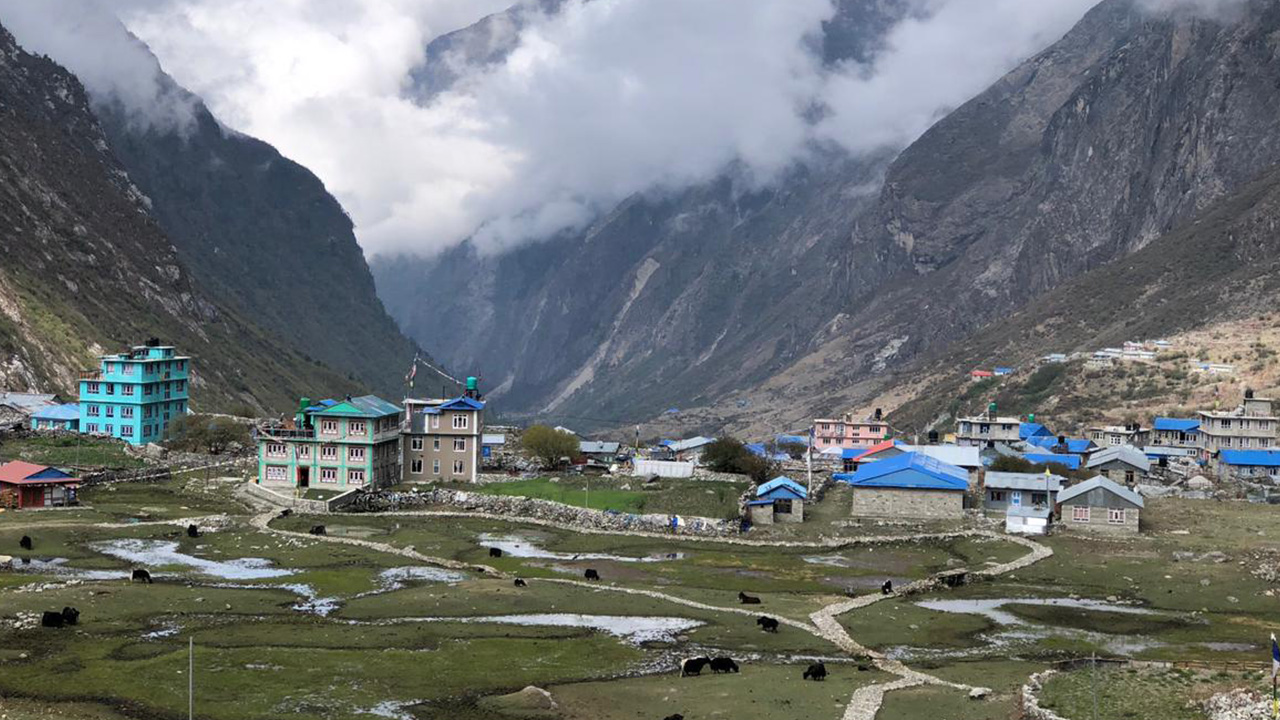
The Langtang Valley Trek is a hidden gem in Nepal, offering an authentic Himalayan experience just a short drive from Kathmandu. Unlike the busier trekking routes of Everest or Annapurna, Langtang Trek Nepal remains a serene and less-traveled destination, perfect for those seeking tranquility amidst stunning landscapes.
This trek takes you through lush rhododendron and bamboo forests, past rushing waterfalls, and along trails framed by the majestic Langtang Himalayas. The valley gradually rises to around 4,000 meters (13,123 feet), providing trekkers with an accessible yet rewarding high-altitude adventure. For those eager to witness a truly spectacular view, a side ascent to Tserko Ri at 4,980 meters (16,338 feet) offers an unforgettable sunrise panorama over the surrounding peaks.
Langtang Valley is not only a natural wonder but also a region rich in culture. The villages along the trail showcase traditional Tamang and Sherpa lifestyles, giving trekkers a glimpse into local customs, architecture, and warm Himalayan hospitality. The trek is moderately challenging, making it suitable for both beginner and intermediate hikers who want to experience Nepal’s mountains without the crowds.
For travelers looking to escape the busier routes, the Langtang Hike provides peaceful trails, comfortable teahouses, and breathtaking mountain views at every turn. This makes it an excellent option for a first-time trekking experience or as a practice trek before attempting longer expeditions in Nepal. Sole Encounters Trekking ensures every trekker enjoys a safe, well-organized journey through this enchanting valley.
Whether you are captivated by nature, culture, or mountain vistas, the Langtang Valley Trek promises a memorable adventure filled with beauty, serenity, and Himalayan charm.
➡️ Accessible Himalayan Journey
Enjoy a scenic 7 to 8 hour drive from Kathmandu to Syabrubesi, passing through rolling hills, river valleys, mountain roads, and beautiful countryside views, with no need for domestic flights.
➡️ Drive Through Hills and Mountains
The journey itself is an experience, winding through lush hills, terraced farmland, rushing rivers, and mountain landscapes that gradually introduce you to the Himalayan region.
➡️ Stunning Himalayan Views
Witness magnificent peaks such as Langtang Lirung, Langtang Ri, Langsisa, and Ganjala, along with sweeping panoramas from Kyanjin Ri and Tserko Ri.
➡️ Tserko Ri Sunrise Experience
Hike to Tserko Ri for a spectacular sunrise, where golden light spreads across glaciers, snowy peaks, and the vast Langtang Valley below.
➡️ Explore Near the Tibet Border
Trek close to the Tibetan frontier and experience the unique blend of Himalayan and Tibetan influenced landscapes, culture, and mountain lifestyle.
➡️ Langtang National Park Flora and Fauna
Walk through dense rhododendron, pine, and bamboo forests while spotting wildlife such as Himalayan tahr, red pandas, langur monkeys, and a wide variety of bird species.
➡️ Forest Trails and Traditional Villages
Enjoy peaceful walking trails through forests, riverside paths, and charming local villages that reflect the authentic mountain way of life.
➡️ Langtang Village and Earthquake History
Visit Langtang Village, which was tragically destroyed during the 2015 earthquake and later rebuilt by the local community. Staying here offers deep insight into resilience, culture, and the true spirit of the Langtang people.
➡️ Cultural Immersion in Tamang and Sherpa Communities
Experience warm hospitality, traditional homes, prayer wheels, mani walls, and visit sacred sites like Langtang Gompa and Kyanjin Gompa while learning about Buddhist traditions and mountain lifestyles.
➡️ Kyanjin Gompa, One of the Most Beautiful Villages
Explore Kyanjin Gompa, a stunning high altitude settlement surrounded by glaciers and peaks, known for its peaceful atmosphere, monasteries, and panoramic views.
➡️ Langtang Lirung Glacier Exploration
Discover the Langtang Lirung Glacier and learn about its geological and cultural significance, which has shaped the valley, local livelihood, and traditional yak herding practices.
➡️ Local Experiences and Yak Cheese Factory
Visit the famous Kyanjin Gompa Cheese Factory, taste fresh yak cheese, and enjoy authentic teahouse stays that provide comfort and cultural connection.
➡️ Hikes to Higher Elevations
Optional acclimatization hikes to Kyanjin Ri and Tserko Ri allow trekkers to safely explore higher elevations while enjoying breathtaking Himalayan scenery.
➡️ Peaceful and Less Crowded Trek
As a quieter alternative to Everest and Annapurna, the Langtang Valley Trek offers serenity, open trails, and a more personal trekking experience.
➡️ Diverse Landscapes in a Compact Trek
Experience glacial valleys, alpine meadows, river gorges, forests, and high mountain terrain all within a relatively short and rewarding trek.
➡️ Kathmandu Support Before and After the Trek
Before and after the trek, Sole Encounters Adventures provides full assistance in Kathmandu, including trip preparation, permits, logistics, and time to explore Kathmandu Valley’s UNESCO heritage sites.
➡️ Expert Guidance with Sole Encounters Adventures
Sole Encounters Adventures ensures a safe, well guided, and enriching Langtang Valley Trek, combining local expertise, cultural insight, and professional support for trekkers of all experience levels.
Upon arrival at Tribhuvan International Airport (TIA) in Kathmandu (elevation 1,400 meters / 4,593 feet), Sole Encounters Trekking will greet you and assist with your hotel transfer. After settling in, you'll meet your guide to discuss trip details and enjoy a welcome dinner before staying overnight at the hotel.
Kathmandu Valley, located at an elevation of approximately 1,400 meters (4,593 feet) in central Nepal, is the country's cultural and political hub, surrounded by beautiful mountains and hills. It includes the capital city, Kathmandu, and historic cities like Bhaktapur and Patan. The valley is famous for its ancient temples, palaces, and stupas, such as Swayambhunath Stupa (Monkey Temple), Pashupatinath Temple, and Boudhanath Stupa. Visitors can explore museums, art galleries, and UNESCO World Heritage Sites like Kathmandu Durbar Square. The valley also offers natural beauty and trekking opportunities in places like Shivapuri National Park.
The drive from Kathmandu to Syabrubesi takes about 7-8 hours, covering approximately 120 kilometers. Starting at an elevation of 1,350 meters in Kathmandu, the journey follows the Prithvi Highway, offering beautiful views of terraced fields, rural settlements, and the Trishuli River. You'll pass through towns and villages, witnessing traditional houses and vibrant markets. There are tea shops and restaurants along the way where you can take breaks and have lunch. Upon reaching Syabrubesi at 1,503 meters, located near the China border, you'll be ready to start the Langtang Valley Trek. The drive provides a scenic transition from city life to the natural beauty of the Langtang region.
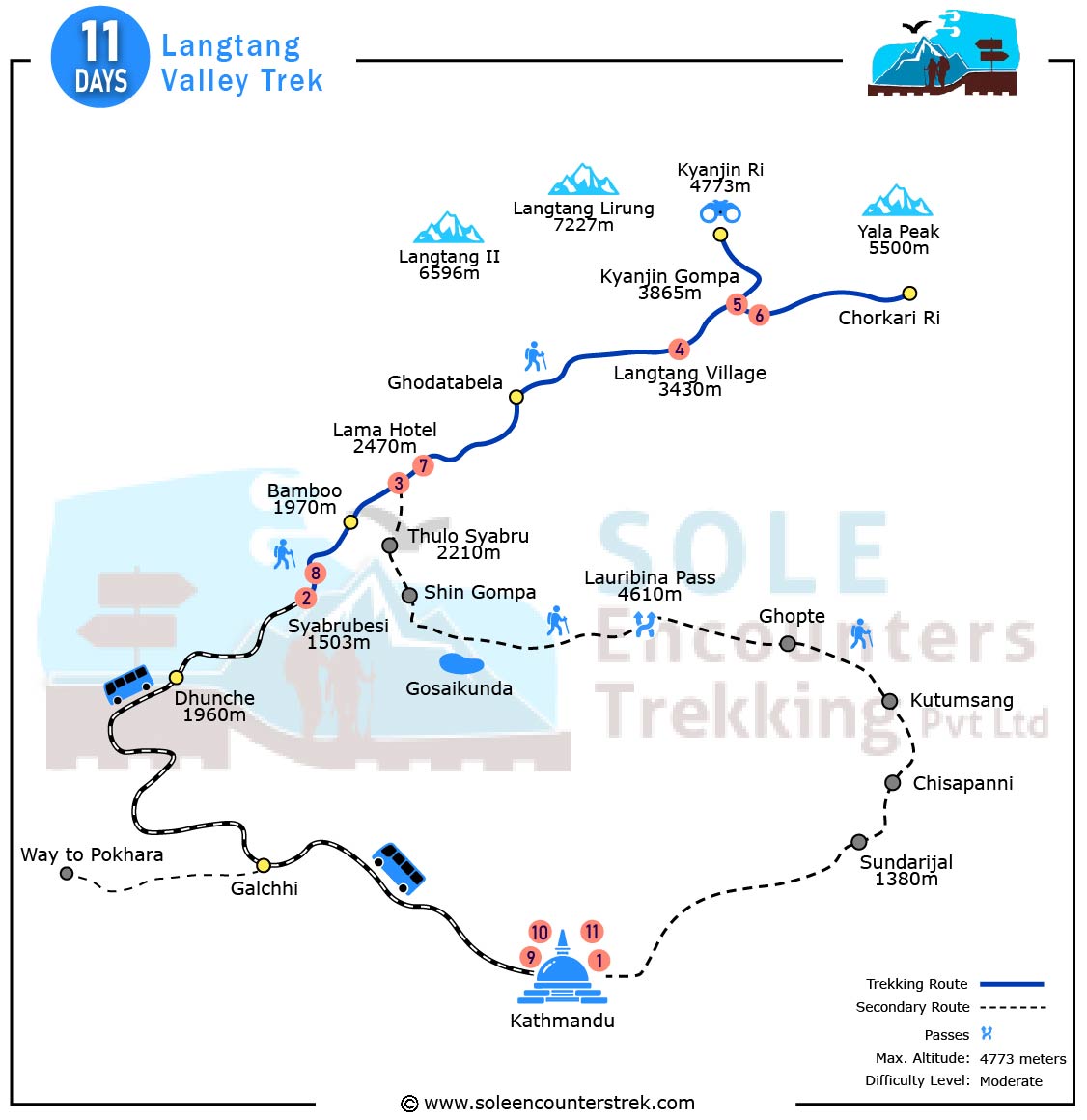
The trek from Syabrubesi to Lama Hotel (2,450 meters / 8,038 feet) takes about 6 -7 hours and covers a distance of approx 11-12 kilometers. The trail initially follows the Langtang River, crossing suspension bridges and passing through dense forests of oak, rhododendron, and bamboo. This scenic route offers chances to spot wildlife such as red pandas, langur monkeys, and various bird species. The path is well-marked and generally safe, though some sections can be steep and rocky.
Trekkers usually stop for lunch at the village of Bamboo (1,970 meters / 6,463 feet), which is about halfway to Lama Hotel. The spot provides beautiful river views and a chance to rest. The day's trek is filled with excitement as you gradually ascend, with the forest scenery offering a serene and refreshing experience. Upon reaching Lama Hotel, located at an elevation of 2,450 meters (8,038 feet), you'll be welcomed with stunning views of the surrounding mountains and a comfortable place to rest for the night.
The trek from Lama Hotel to Langtang Village (3,430 meters / 11,253 feet) takes about 6-7 hours and covers approx 14 kilometers. The trail ascends along the Langtang River through dense forests of oak, rhododendron, and pine, gradually opening up to stunning mountain views, including Langtang Lirung (7,227 meters / 23,711 feet). Trekkers often stop for lunch at Ghodatabela (3,030 meters / 9,941 feet), a scenic rest spot.
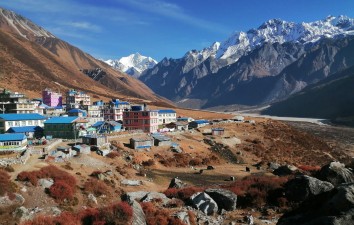
Langtang Village, historically a vibrant Tamang settlement, was heavily impacted by the 2015 earthquake. The resilient community has since rebuilt, with new lodges and homes welcoming trekkers. The village now symbolizes recovery and offers a glimpse into the unique Tamang culture. The trail is well-marked and safe, with some steep and rocky sections. Upon reaching Langtang Village, trekkers enjoy breathtaking mountain views and the hospitality of the local people, staying in comfortable lodges for the night.
The trek from Langtang Village (3,430 meters / 11,253 feet) to Kyanjin Gompa (3,830 meters / 12,566 feet) takes about 4 hours and covers 7 kilometers. The trail ascends gradually, offering stunning views of the Langtang range, glaciers, and alpine landscapes. You'll pass small settlements, yak pastures, and traditional cheese factories, with opportunities to taste local yak cheese.
Kyanjin Gompa, home to the famous monastery, provides panoramic mountain views and serves as a base for exploring nearby peaks like Kyanjin Ri and Tserko Ri. Trekkers come here for the breathtaking scenery and cultural experiences. Upon arrival, you'll meet with your guide to plan the next day's hikes and activities. Essential items to pack for the hikes include warm clothing, sturdy boots, a daypack, water, snacks, and a camera to capture the stunning vistas
Extending your stay in Kyanjin Gompa offers several rewarding hikes. The hike to Tserko Ri (4,984 meters / 16,349 feet) is a 5-6 hour round trip covering 10 kilometers, providing stunning panoramic views. The Langshisha Kharka hike (4,084 meters / 13,399 feet) takes 4-5 hours round trip over 12 kilometers, offering serene views of the Langtang range. The shorter hike to Kyanjin Ri (4,773 meters / 15,655 feet) takes 3-4 hours round trip for 6 kilometers, rewarding you with incredible views of Langtang Lirung and the glacier. Exploring nearby villages like Langtang Kharka, Mundu, and Sindum takes 2-3 hours each and showcases the rural lifestyle and Tamang culture. The hike to the Langtang Glacier takes 5-6 hours round trip over 10 kilometers, offering close-up views of ice formations.
Discuss your preferred hike with your guide to choose the best option. For longer hikes, ensure you carry enough gear, food, and drinks to stay comfortable and safe. These hiking options around Kyanjin Gompa enrich your trek with cultural insights, breathtaking scenery, and memorable experiences
The trek back from Kyanjin Gompa (3,830 meters / 12,566 feet) to Lama Hotel (2,450 meters / 8,038 feet) takes about 7 hours, covering approximately 18 kilometers. The descent offers a chance to revisit the stunning landscapes, lush forests, and vibrant wildlife you encountered on the way up. You'll pass through familiar villages and have opportunities to engage once more with the friendly locals. The trail is well-marked and relatively easy, allowing you to enjoy the scenic beauty at a more relaxed pace. Reflect on your journey, savor the experience, and appreciate the cultural and natural wonders of the Langtang region. The return to Lama Hotel marks the end of an exciting and memorable trek.
The trek from Lama Hotel to Syabrubesi is the final leg of your Langtang Valley Trek, covering approximately 18 kilometers and taking about 6 hours. You'll descend from 2,450 meters (8,038 feet) to 1,503 meters (4,931 feet) through lush rhododendron and bamboo forests, transitioning from alpine to subtropical landscapes. Crossing several suspension bridges over the Langtang River adds an adventurous touch to your journey. Passing through charming villages, you can interact with friendly locals and observe traditional architecture and terraced fields. The picturesque scenery of rolling hills, cascading waterfalls, and distant mountain views creates a tranquil atmosphere.
Upon reaching Syabrubesi, the gateway to the Langtang region, you'll find accommodations and local eateries where you and your crew can celebrate the completion of your trek. It's a great opportunity to buy food and drinks for everyone and perhaps have a small party. Remember to tip your guides and porters well; a good tipping range is 15%-20% of the trek cost per head. Reflect on your journey, the incredible landscapes, and the cultural experiences you've enjoyed. Maintain a steady pace, use trekking poles if needed, and stay hydrated to take care of your body during the descent. Enjoy the final leg of your trek, cherishing the memories and the beauty of the Himalayas.
The drive from Syabrubesi (1,503 meters / 4,931 feet) to Kathmandu takes about 7-8 hours, covering approximately 120 kilometers. Along the way, you'll enjoy scenic views of terraced fields, rural villages, and the Trishuli River. Lunch can be taken at one of the roadside restaurants. Upon reaching Kathmandu, you'll be transferred to a nice hotel to relax. In the evening, enjoy a farewell dinner, explore local bars, and go shopping to celebrate the end of your trek.
On the day of your final departure, Sole Encounters Trekking will ensure a smooth transition from your hotel to Tribhuvan International Airport. After breakfast, our representative will meet you at your hotel and assist with your transfer to the airport. As you reflect on your adventure through the Langtang Valley, take time to savor the memories and experiences you've gathered.
If you decide to extend your stay in Nepal and need assistance with additional activities or excursions, feel free to contact us. We are always happy to help you plan and fulfill your desires, whether it's exploring more of Nepal's cultural treasures, embarking on new trekking adventures, or simply relaxing and enjoying the local hospitality. Safe travels, and we look forward to welcoming you back for another unforgettable journey in the Himalayas.
The Langtang Valley Trek is located in the Langtang region of Nepal. The trek takes you through the pristine Langtang Valley, which lies to the north of Kathmandu, the capital city of Nepal. The Langtang region is part of the Langtang National Park and is known for its breathtaking mountain vistas, picturesque landscapes, and rich cultural heritage. The trail starts from Syabrubesi, a small village in Rasuwa District, and takes you deep into the Langtang Valley, offering stunning views of the surrounding Himalayan peaks.
The difficulty level of the Langtang Valley Trek can be considered moderate. While it is not as challenging as some of the more strenuous treks in Nepal, it still requires a reasonable level of physical fitness and stamina. Here are some factors that contribute to the trek's difficulty:
Altitude: The trek takes you to high altitudes, with the highest point being Kyanjin Gompa at 3,830 meters. Altitude-related challenges such as thinner air and decreased oxygen levels can affect trekkers. It is important to acclimatize properly and take necessary precautions to prevent altitude sickness.
Duration and Distance: The trek typically takes around 8-10 days to complete, covering a distance of approximately 60-70 kilometers. Daily walking hours can range from 4 to 7 hours, with some steep ascents and descents. Trekkers should be prepared for long days of walking and varying terrain.
Trail Conditions: The trail consists of a mix of well-defined paths, rocky sections, and occasional steep uphill and downhill stretches. Some parts of the trail may be narrow and exposed, requiring careful footing. Trekking poles can be useful for stability and support.
Weather Conditions: Weather conditions can be unpredictable, especially during the monsoon season (June to August) and winter months (December to February). Trekkers may encounter rain, snow, or cold temperatures. It is important to pack suitable clothing and gear to stay comfortable in changing weather conditions.
Fitness and Training: Prior physical fitness and some level of hiking experience can greatly enhance the trekking experience. Regular cardio exercises, such as jogging or hiking, along with strength training, can help prepare your body for the demands of the trek.
While the Langtang Valley Trek is considered moderate in terms of difficulty, it is important to note that individual experiences may vary. Factors such as personal fitness, prior trekking experience, and overall health can influence the perceived difficulty of the trek. It is always recommended to consult with a healthcare professional before undertaking any strenuous physical activity.
To increase your chances of successfully completing the Langtang Valley Trek and enjoying the experience, here are some tips:
Physical Preparation: Engage in regular physical exercise and cardio workouts to improve your endurance and stamina. Incorporate hiking and walking into your routine to simulate trekking conditions.
Mental Preparedness: Develop a positive mindset and mental resilience. Trekking at high altitudes can be physically and mentally challenging, so being mentally prepared can make a significant difference.
Acclimatization: Take sufficient time to acclimatize to higher altitudes. This involves ascending gradually, staying hydrated, and allowing your body time to adjust to the changing conditions. Acclimatization days are built into the trek itinerary to minimize the risk of altitude-related illnesses.
Trekking Gear: Invest in proper trekking gear, including sturdy and comfortable hiking boots, layered clothing for varying weather conditions, a good quality backpack, and other essential equipment. Having the right gear can significantly enhance your comfort and safety during the trek.
Hydration and Nutrition: Stay hydrated by drinking plenty of water throughout the trek. Carry water purification tablets or a filtration system to ensure a clean water supply. Maintain a balanced diet, focusing on nourishing meals to provide energy for the trek.
Trekking with a Guide: Consider trekking with an experienced guide who is familiar with the Langtang Valley route. A guide can provide valuable insights, ensure your safety, and assist with navigation, especially in challenging sections of the trail.
Take Breaks and Listen to Your Body: Pace yourself during the trek and take regular breaks to rest and catch your breath. Listen to your body and don't hesitate to communicate with your guide if you experience any discomfort or signs of altitude sickness.
Follow Trekking Etiquette: Respect the local culture, customs, and environment. Follow eco-friendly practices, such as carrying out your trash, using designated camping areas, and avoiding damage to natural surroundings.
Travel Insurance: Ensure you have comprehensive travel insurance that covers trekking at high altitudes and includes emergency medical evacuation. Check the policy details to confirm coverage for trekking activities and high-altitude treks.
Enjoy the Journey: Remember that trekking is not just about reaching the destination but also about enjoying the journey. Take time to appreciate the stunning views, interact with locals, and immerse yourself in the unique culture and beauty of the Langtang Valley.
By adequately preparing yourself physically, mentally, and logistically, you can make the Langtang Valley Trek an enjoyable and memorable experience. The moderate difficulty level offers a balance of challenge and reward, allowing you to soak in the breathtaking landscapes and cultural richness of the region while pushing your boundaries in a safe and responsible manner.
Along the Langtang Valley Trek, you will find a range of accommodation options known as teahouses or lodges. These are basic but comfortable establishments that cater to trekkers and provide essential amenities. Here are the types of accommodation you can expect along the trek:
Teahouses/Lodges:
Teahouses are the most common form of accommodation along the Langtang Valley Trek. They are simple guesthouses that offer rooms with basic facilities. The rooms are usually small, with twin beds or bunk beds, and provide a warm and cozy place to rest after a day of trekking. Bedding and blankets are provided, but it is advisable to carry a sleeping bag for extra warmth and comfort. Teahouses have communal dining areas where you can enjoy meals and socialize with other trekkers.
Shared Bathrooms:
Most teahouses have shared bathroom facilities, which usually consist of squat toilets and basic washing areas. Hot showers are available at an additional cost, and the availability of hot water can vary depending on the location and time of day. It is recommended to carry your own toiletries, including toilet paper and hand sanitizer, as these may not always be provided.
Dining Facilities:
Teahouses have dining areas where you can enjoy meals and drinks. They typically offer a menu with a variety of dishes, including Nepali, Tibetan, and international cuisine. The food is freshly prepared and provides nourishment for trekkers. It is advisable to stick to vegetarian options and avoid raw or undercooked food to minimize the risk of foodborne illnesses.
Charging Facilities:
Some teahouses provide charging facilities for electronic devices such as cameras, phones, and power banks. However, these may be limited and may require an additional fee. It is recommended to carry extra batteries or a portable solar charger to ensure you can charge your devices when needed.
Wi-Fi and Internet Access:
Wi-Fi and internet access may be available at certain teahouses, but the connection can be unreliable and slow. It is best to not rely heavily on internet access during the trek and instead embrace the natural surroundings and disconnect from technology.
It's important to note that accommodation along the Langtang Valley Trek is basic and may vary in terms of comfort and facilities. It is advisable to carry a sleeping bag, earplugs, and a headlamp for added convenience. Additionally, during peak trekking seasons, such as spring and autumn, it is recommended to book accommodation in advance to secure a place in the teahouses/lodges.
The best time to trek around the Langtang Valley is during the spring (March to May) and autumn (September to November) seasons. These months offer favorable weather conditions, clear skies, and stable temperatures, making them ideal for trekking. Here's a breakdown of the seasons and their characteristics:
Spring (March to May):
Spring is considered one of the best seasons for Langtang Valley Trekking. The weather is generally pleasant, with mild temperatures during the day and cool nights. The mountains are often adorned with colorful rhododendron flowers in full bloom, adding beauty to the landscape. Trails are relatively dry and the visibility is excellent, offering breathtaking views of the surrounding peaks. However, spring is also a popular season, and the trails may be more crowded compared to other times of the year.
Autumn (September to November):
Autumn is another excellent time to trek in the Langtang Valley. The weather is stable, with clear skies and comfortable temperatures. The monsoon season has passed, leaving the trails green and lush. The mountain views are exceptionally clear, and the overall visibility is excellent. Autumn is considered the peak trekking season, so expect a higher number of trekkers on the trails. It is advisable to book accommodations in advance during this period.
Winter (December to February):
Winter in the Langtang Valley is cold, especially at higher altitudes. The temperatures can drop below freezing, and snowfall is common in the higher regions. While trekking is possible during winter, it requires proper winter gear and precautions. The advantage of trekking in winter is that the trails are less crowded, offering a more serene and peaceful experience. However, be prepared for shorter daylight hours and limited teahouse facilities, as some may be closed due to the low number of trekkers.
Monsoon/Summer (June to August):
The monsoon season brings heavy rainfall to the Langtang Valley. The trails can be muddy, slippery, and prone to landslides. Trekking during this season is challenging, with limited mountain views and higher chances of rain and fog. However, the valleys are lush and green, and the region is less crowded. If you don't mind the rain and are well-prepared for wet conditions, you can still trek in the Langtang Valley during the summer season.
It is important to consider weather patterns, personal preferences, and trekking experience when choosing the best time for your Langtang Valley Trek. It is advisable to check the weather forecast and consult with local trekking agencies or guides for the most up-to-date information and to plan your trek accordingly.
The Langtang Valley Trek is generally considered to be a moderate trek in terms of difficulty. While it may not be as challenging as some of the high-altitude treks in Nepal, it still requires a reasonable level of physical fitness and endurance. Here are some factors that contribute to the trek's difficulty level:
Altitude: The trek takes you to relatively high altitudes, with the highest point being Kyanjin Gompa at 3,830 meters. Altitude-related challenges such as thinner air and decreased oxygen levels can affect trekkers. It is important to acclimatize properly and ascend gradually to minimize the risk of altitude sickness.
Duration and Distance: The Langtang Valley Trek typically takes around 8-10 days to complete, covering a distance of approximately 60-70 kilometers. Each day involves walking for 4-7 hours, with some steep ascents and descents. While the daily distances are manageable, the duration of the trek requires consistent physical effort and endurance.
Trail Conditions: The trail consists of a variety of terrains, including well-defined paths, rocky sections, and occasional steep uphill and downhill sections. Some parts of the trail may be narrow and exposed, requiring careful footing. Trekking poles can be helpful for stability and support, especially during the descents.
Weather Conditions: Weather conditions in the Langtang region can be unpredictable, especially during the winter and monsoon seasons. Trekkers may encounter rain, snow, or cold temperatures, which can add to the difficulty. Proper clothing and gear should be carried to ensure comfort and safety in changing weather conditions.
Fitness and Training: Prior physical fitness and some level of hiking experience can greatly enhance the trekking experience. Regular cardio exercises, such as jogging or hiking, along with strength training, can help prepare your body for the demands of the trek.
Despite its moderate difficulty, the Langtang Valley Trek is achievable for trekkers with a reasonable level of fitness and determination. It is important to pace yourself, listen to your body, and take rest days for acclimatization. Hiring a knowledgeable guide or joining a guided trek can provide valuable assistance and support throughout the journey.
The cost of trekking in the Langtang Valley can vary depending on several factors, including the duration of the trek, the number of trekkers, the level of services chosen, and personal preferences. Here is a breakdown of the approximate cost for trekking in the Langtang Valley:
Trekking Permits:
To enter the Langtang National Park, trekkers need to obtain the Langtang National Park Permit and the TIMS (Trekkers' Information Management System) card. The combined cost of these permits is around USD 30-35 per person.
Guide and Porter:
Hiring a professional trekking guide is optional but recommended, especially for those with limited trekking experience or those who prefer the convenience of having a knowledgeable companion. The cost of a guide can range from USD 25 to USD 35 per day, which includes their fees, accommodation, meals, and insurance. Similarly, if you choose to hire a porter to carry your backpack, the cost can range from USD 20 to USD 25 per day.
Accommodation and Meals:
Accommodation in teahouses along the Langtang Valley Trek ranges from basic to slightly more comfortable options. The cost of a room in a teahouse can vary from USD 5 to USD 20 per night, depending on the level of comfort and availability. Meals are generally available at the teahouses, with prices ranging from USD 5 to USD 15 per meal.
Transportation:
The cost of transportation from Kathmandu to Syabrubesi (the starting point of the Langtang Valley Trek) and back is not typically included in the trekking package. The cost of a shared jeep or bus is approximately USD 10 to USD 15 per person each way.
Miscellaneous Expenses:
Additional expenses may include snacks, drinks, hot showers, charging electronic devices, Wi-Fi access, and tips for guides and porters. It is advisable to carry some extra cash for these expenses, which can amount to around USD 10 to USD 20 per day.
Taking all these factors into account, a rough estimate for the overall cost of trekking in the Langtang Valley is approximately USD 800 to USD 1,200 per person for a 10-12 day trek. However, it's important to note that these are general estimates, and the actual cost can vary depending on individual preferences and choices made during the trek.
It is recommended to consult with local trekking agencies, compare prices, and consider the level of services provided before finalizing your budget for the Langtang Valley Trek.
Yes, the Langtang region has undergone significant reconstruction and rehabilitation efforts following the devastating earthquake that struck Nepal in April 2015. The earthquake caused widespread damage and loss of life in the region, including the Langtang Valley, which was one of the heavily affected areas.
After the earthquake, various organizations, government bodies, and local communities joined hands to rebuild and restore the Langtang Valley. Reconstruction efforts focused on rebuilding infrastructure, including teahouses, lodges, trails, and bridges, to support the tourism industry and revive the local economy.
The local communities and trekking agencies have been actively involved in rebuilding initiatives. New teahouses and lodges have been constructed, offering comfortable accommodation and basic facilities for trekkers. The trails have been repaired and improved to ensure safe and accessible trekking routes.
While significant progress has been made, it's important to note that the reconstruction process is an ongoing effort. The Langtang region continues to receive support and investment for the restoration of cultural sites, infrastructure, and sustainable tourism development.
Today, the Langtang Valley welcomes trekkers once again, offering its stunning natural beauty, rich cultural heritage, and warm hospitality. Trekkers can witness the resilience and determination of the local communities who have worked tirelessly to rebuild their lives and restore the region to its former glory.
Before embarking on the Langtang Valley Trek, it is advisable to check with local authorities and trekking agencies for the latest updates on trail conditions, accommodation availability, and safety measures to ensure a smooth and enjoyable trekking experience.
Yes, it is possible to experience altitude sickness during the Langtang Valley trek. Altitude sickness, also known as acute mountain sickness (AMS), can occur when ascending to high altitudes too quickly without proper acclimatization.
The Langtang Valley trek reaches elevations above 3,000 meters, which puts trekkers at risk of altitude-related illnesses. Here are a few important points to consider regarding altitude sickness during the Langtang Valley trek:
Acclimatization: Adequate acclimatization is crucial to prevent altitude sickness. It is recommended to ascend gradually, allowing your body to adjust to higher altitudes. Rest days are included in the trek itinerary to allow for acclimatization.
Recognizing Symptoms: It's important to be aware of the symptoms of altitude sickness. These may include headaches, dizziness, nausea, loss of appetite, fatigue, shortness of breath, and difficulty sleeping. If you experience any of these symptoms, it's essential to take them seriously and communicate with your guide or fellow trekkers.
Hydration and Rest: Staying hydrated is vital at high altitudes. Drink plenty of fluids, preferably water or herbal tea, and avoid alcohol and caffeine. Take regular rest breaks during the trek to allow your body to adjust and recover.
Medications: Some trekkers may consider taking medications, such as acetazolamide (Diamox), to help prevent altitude sickness. It's advisable to consult with a medical professional before taking any medication and to understand the potential side effects.
Descending if Necessary: If symptoms of altitude sickness worsen or do not improve with rest and hydration, it may be necessary to descend to lower altitudes. Your guide will assess the situation and make appropriate decisions for your safety.
Preparing Physically: Maintaining a good level of physical fitness before the trek can help improve your overall endurance and resilience at high altitudes. Engaging in regular cardio exercises and strength training can be beneficial.
It's important to note that everyone reacts differently to high altitudes, and altitude sickness can affect anyone, regardless of age or fitness level. Being aware of the risks, listening to your body, and following proper acclimatization guidelines can greatly reduce the chances of altitude sickness and ensure a safer and more enjoyable trekking experience in the Langtang Valley.
During the Langtang Valley trek, the average walking hours per day can range from 4 to 7 hours, depending on the specific itinerary and trekking pace. Here is a general breakdown of the daily walking hours:
Syabrubesi to Lama Hotel: The trek from Syabrubesi to Lama Hotel typically takes around 5 to 6 hours, covering a distance of approximately 10 to 12 kilometers.
Lama Hotel to Langtang Village: The trek from Lama Hotel to Langtang Village usually takes around 6 to 7 hours, covering a distance of approximately 12 to 15 kilometers.
Langtang Village to Kyanjin Gompa: The trek from Langtang Village to Kyanjin Gompa can be completed in around 4 to 5 hours, covering a distance of approximately 8 to 10 kilometers.
Kyanjin Gompa (Rest Day): This day is typically kept as a rest day to explore the surrounding area and enjoy the scenic beauty of Kyanjin Gompa. The walking hours on this day can vary depending on the personal preference and activities chosen.
Kyanjin Gompa to Lama Hotel: The return trek from Kyanjin Gompa to Lama Hotel usually takes around 6 to 7 hours, covering a distance of approximately 12 to 15 kilometers.
Lama Hotel to Syabrubesi: The final leg of the trek from Lama Hotel to Syabrubesi typically takes around 5 to 6 hours, covering a distance of approximately 10 to 12 kilometers.
It's important to note that the duration of walking hours can vary from person to person depending on individual fitness levels, rest breaks, weather conditions, and the overall pace of the group. It's advisable to maintain a comfortable and sustainable pace throughout the trek, allowing for rest and acclimatization as needed.
In remote areas along the Langtang Valley trek, where access to conventional restrooms may be limited, there are alternative options available for toilet facilities. Here are some of the options you may come across:
Tea House Toilets: Along the trekking route, there are teahouses and lodges that provide toilet facilities for trekkers. These toilets are usually basic, with squat-style toilets that may or may not have running water for flushing. The cleanliness and hygiene standards can vary between different teahouses.
Pit Toilets: In some remote areas, pit toilets are commonly used. These are simple, non-flush toilets where waste is collected in a pit below ground. They are relatively basic but serve the purpose. It's important to follow proper hygiene practices and use toilet paper sparingly, as waste management systems in remote areas may be limited.
Outdoor/Nature Toilets: In certain areas with limited infrastructure, trekkers may need to use outdoor or nature toilets. These are usually designated spots away from the trail and water sources, where you can find privacy. It's essential to follow Leave No Trace principles and bury waste properly using biodegradable toilet paper or tissues.
Portable Toilets: Some trekking groups or organizations may carry portable toilets for their members. These are compact and self-contained units that provide a more comfortable and hygienic option compared to other alternatives. However, this is not a common option and usually limited to larger organized groups.
Regardless of the type of toilet facilities available, it's important to maintain proper hygiene practices. Carry hand sanitizer or wet wipes to clean your hands after using the toilet, as water for handwashing may not always be readily available. Additionally, be respectful of the environment and local customs by following proper waste disposal guidelines.
It's advisable to be prepared mentally and physically for the different types of toilet facilities you may encounter along the trek. It's part of the adventure of trekking in remote areas and embracing the natural surroundings while being mindful of responsible tourism practices.
To trek in the Langtang Valley, you will need to obtain two permits: the Langtang National Park Permit and the TIMS (Trekkers' Information Management System) card. These permits are essential and ensure that you are allowed entry into the Langtang region and provide necessary information for your safety. Here are the details of each permit:
The Langtang National Park Permit is a mandatory permit that grants you access to the Langtang National Park. The national park is a protected area, and the permit fee contributes to the conservation and management of the park. Here are the key details:
Permit Fee: The cost of the Langtang National Park Permit is approximately USD 30 per person.
Obtainable at: You can obtain the permit at the Nepal Tourism Board office in Kathmandu or at the entry checkpoint in Syabrubesi, the starting point of the Langtang Valley trek.
Required Documents: You will need to provide a photocopy of your passport and two passport-sized photos along with the permit application form.
The TIMS card is a mandatory card that helps in the recording and tracking of trekkers' information for their safety and security. It is issued by the Nepal Tourism Board and is required for all trekkers in Nepal. Here are the key details:
Permit Fee: The cost of the TIMS card varies depending on the type of trekker:
Individual Trekker: USD 20 per person
Group Trekker (2 or more people): USD 10 per person
Obtainable at: The TIMS card can be obtained at the Nepal Tourism Board office in Kathmandu or at the Trekking Agencies' Association of Nepal (TAAN) office.
Required Documents: You will need to provide a photocopy of your passport and two passport-sized photos along with the TIMS application form.
It's important to note that these permit fees are subject to change, and it's advisable to check with the respective authorities or your trekking agency for the most up-to-date information on permit requirements and fees.
Obtaining the necessary permits is an important part of trekking in the Langtang Valley. Make sure to carry the permits with you throughout the trek as they may be checked at various checkpoints within the Langtang region.
When it comes to booking the Langtang Valley Trek, there are several reasons to consider choosing Sole Encounters Trekking as your trekking agency. Here are some compelling reasons to book with them:
Local Expertise: Sole Encounters Trekking is a locally owned and operated trekking agency based in Nepal. They have extensive knowledge and experience in organizing treks in the Langtang region. Their team consists of experienced trekking guides and staff who have intimate knowledge of the area, its culture, and the best routes to take.
Safety and Professionalism: Safety is of paramount importance during any trekking adventure. Sole Encounters Trekking prioritizes the safety and well-being of their clients. They ensure that their guides are well-trained in mountain safety, first aid, and emergency response procedures. They also provide necessary equipment and adhere to safety standards to ensure a safe trekking experience.
Customized Itineraries: Sole Encounters Trekking understands that every traveler is unique with different preferences and requirements. They offer customized itineraries, allowing you to tailor your Langtang Valley Trek according to your fitness level, time constraints, and personal interests. This flexibility ensures that you can make the most out of your trekking experience.
Responsible and Eco-friendly Approach: Sole Encounters Trekking is committed to promoting responsible and eco-friendly tourism practices. They emphasize sustainable trekking, minimizing the environmental impact, and respecting the local communities and their culture. They strive to leave a positive footprint on the regions they operate in.
Excellent Customer Service: Sole Encounters Trekking is known for its excellent customer service. From the initial inquiry to the completion of the trek, they provide prompt and reliable assistance. Their staff is friendly, knowledgeable, and responsive, ensuring that your queries are addressed and your needs are met throughout the trekking journey.
Competitive Pricing: Sole Encounters Trekking offers competitive pricing for their Langtang Valley Trek packages. They provide transparent pricing with no hidden costs, ensuring that you get a fair deal for the services and amenities included in the package.
It's important to note that while Sole Encounters Trekking offers many advantages, it's always recommended to do thorough research, read reviews, and compare different trekking agencies before making a final decision. This will help you choose the one that best aligns with your preferences and requirements for the Langtang Valley Trek.
The major culture in the Langtang Valley is the Tamang culture. The Tamang people are an indigenous ethnic group residing in the Langtang region of Nepal. They have their distinct language, customs, traditions, and way of life. Here are some key aspects of the Tamang culture in the Langtang Valley:
Language and Dress: The Tamang people have their own language known as Tamang, which belongs to the Tibeto-Burman language family. They predominantly wear traditional attire, with women often seen in colorful dresses called "chubas" and adorned with intricate jewelry, while men wear a traditional outfit called "docha" with a waistcoat and trousers.
Religion: The majority of Tamang people follow a unique blend of Buddhism and the indigenous Bon religion, known as Tamang Buddhism. They have their own religious practices, rituals, and festivals that are an integral part of their culture. Buddhism is reflected in the numerous monasteries and chortens (Buddhist shrines) found throughout the Langtang Valley.
Festivals: Festivals hold great significance in Tamang culture, and they are celebrated with enthusiasm and joy. Some of the major festivals observed by the Tamang community in the Langtang Valley include Lhosar (Tibetan New Year), Sonam Lhosar, Dumji, and Saka Dawa. These festivals involve religious ceremonies, traditional dances, music, and feasting.
Traditional Practices: The Tamang people have a rich heritage of traditional practices that have been passed down through generations. They have their own agricultural practices, including farming and animal husbandry, which are essential for their livelihood. Traditional craftsmanship, such as weaving and pottery, is also part of their cultural heritage.
Hospitality and Community Life: The Tamang community is known for its warm hospitality and close-knit community life. They welcome visitors with open arms, offering insights into their culture, traditions, and way of life. Staying in local teahouses or homestays along the Langtang Valley trek allows trekkers to experience the authentic Tamang hospitality.
Exploring the Langtang Valley provides an opportunity to immerse yourself in the Tamang culture, interact with the locals, witness their traditions, and gain a deeper understanding of their way of life. It's important to respect and appreciate their cultural practices while trekking in the region.
The Langtang Valley Trekking Routes pass through several villages and settlements within the Langtang region. The exact number of people living in the area can vary, but as of my knowledge cutoff in September 2021, the Langtang Valley and its surrounding villages were home to a population of approximately 3,000 to 5,000 people.
The main villages along the Langtang Valley trekking routes include Syabrubesi, Lama Hotel, Langtang Village, and Kyanjing Gompa. These villages are inhabited by the indigenous Tamang people, who have their unique culture, language, and way of life.
It's worth noting that the devastating earthquake that struck Nepal in 2015 had a significant impact on the Langtang Valley. The entire Langtang Village was tragically destroyed, and many lives were lost. However, the community has since been working on rebuilding and restoring the area, and efforts have been made to bring life back to the region.
Given the resilience and determination of the local communities, it is likely that the population has gradually increased over the years as the region continues to recover and attract trekkers and visitors.
It's important to keep in mind that population numbers can change, and it's advisable to check with the latest information or local authorities for the most accurate and up-to-date figures regarding the population in the Langtang Valley and its trekking routes.
When preparing for the Langtang Valley Trek, it's essential to have the right equipment to ensure your safety, comfort, and enjoyment throughout the journey. Here's a checklist of important items you should consider packing:
Lightweight, moisture-wicking base layers (tops and bottoms)
Insulating layers (fleece jacket or down jacket)
Waterproof and windproof outer shell jacket
Waterproof and breathable pants
Trekking pants/convertible pants
T-shirts and long-sleeved shirts
Warm hat and sun hat
Gloves or mittens
Hiking socks
Undergarments
Hiking boots with good ankle support
Gaiters (optional, for added protection against snow, rocks, and debris)
Sunglasses with UV protection
Backpack and Trekking Gear:
Sturdy backpack (40-50 liters capacity) with rain cover
Sleeping bag (suitable for cold temperatures)
Trekking poles for added stability and to reduce strain on knees
Headlamp or flashlight with extra batteries
Water bottle or hydration system
Snacks and energy bars
Personal first aid kit (including basic medications, blister treatments, and any necessary personal prescriptions)
Lightweight quick-dry towel
Swiss Army knife or multi-tool
Sunscreen (with high SPF)
Lip balm with SPF
Insect repellent
Personal toiletries (toothbrush, toothpaste, biodegradable soap, etc.)
Wet wipes or hand sanitizer
Personal hygiene products (female hygiene products, if applicable)
Quick-dry travel towel
Travel documents (passport, permits, travel insurance)
Cash (Nepalese rupees) for meals, snacks, and tips
Maps and guidebooks
Camera or smartphone for capturing memories
Extra memory cards and batteries
Power bank or portable charger for electronic devices
Plastic bags or dry bags (to keep your belongings dry and organized)
Lightweight padlock for securing your belongings
It's important to note that this equipment checklist is a general guide, and you may need to adjust it based on your personal preferences, trekking season, and specific requirements. It's always advisable to check the weather conditions and consult with your trekking agency for any additional recommendations or specific gear requirements for the Langtang Valley Trek.
The Langtang Valley Trek is widely known as one of Nepal’s most accessible Himalayan treks, offering a perfect balance of scenic beauty and moderate challenge. The difficulty level is considered moderate because the trail involves a combination of gentle forest paths, suspension bridges, stone steps, and gradual ascent toward higher altitude settlements. Daily walking hours usually range from five to seven hours, depending on your pace and the specific itinerary.
Although the trek does not require technical climbing skills, trekkers should be prepared for the thinner air and colder temperatures as the altitude increases. The trail becomes steeper around Langtang Village and Kyanjin Gompa, but the breathtaking views and calm environment make the effort truly rewarding. With basic preparation and a steady walking rhythm, most trekkers, including beginners, can complete this trek with confidence.
The Langtang Valley Trek is graded as a moderate Himalayan adventure, making it suitable for individuals with average physical fitness. While the trek is not extremely demanding, it does require consistent walking on uneven terrain and ascending to altitudes beyond 3500 meters. Preparing your body beforehand will ensure a more enjoyable experience.
Recommended pre-trek fitness preparation:
You do not need special mountaineering training or technical gear. The route is well marked and handled by professional guides who ensure your safety and comfort. A positive mindset, patience, and proper acclimatization are the most important factors for completing the trek successfully.
Altitude sickness, also known as Acute Mountain Sickness (AMS), can affect trekkers when ascending to higher elevations too quickly. The highest overnight point on the Langtang Valley Trek is Kyanjin Gompa at 3870 meters, and many trekkers also hike to Tserko Ri which reaches nearly 5000 meters. Because of these elevations, altitude sickness must be taken seriously.
Common symptoms include headache, nausea, dizziness, loss of appetite, and difficulty sleeping. To reduce the risk:
Your Himalayan guide is trained to identify symptoms early. If you show signs of AMS, you may be asked to rest, change your pace, or descend to a safer altitude. Proper acclimatization and hydration are the best prevention methods.
Safety is always the top priority during the Langtang Valley Trek. Although emergencies are rare, it is essential to be prepared. The trekking route has communication points and local lodges where assistance can be arranged. In case of severe altitude sickness, injury, or medical complications, your guide will coordinate the most appropriate action.
Emergency response may include:
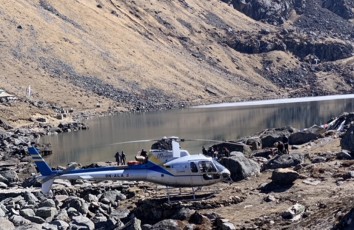
Helicopter evacuation is the quickest and safest way to handle serious emergencies in the Himalayas. However, it can be costly, so it is strongly recommended that trekkers purchase travel insurance that covers high altitude trekking and emergency helicopter evacuation before arriving in Nepal.
Understanding elevation gain is important for acclimatization and overall trek planning. The Langtang Valley Trek covers a diverse range of altitudes, allowing trekkers to gradually adjust to higher elevations.
Key elevation points along the trek:
• Kathmandu: 1400 meters
• Syabrubesi (starting point): 1460 meters
• Lama Hotel: 2470 meters
• Langtang Village: 3430 meters
• Kyanjin Gompa: 3870 meters
• Kyanjin Ri Viewpoint: approx. 4300 meters
• Tserko Ri Summit: approx. 4984 meters
The gradual rise in altitude gives your body enough time to adapt, which is why the Langtang Valley Trek is considered manageable compared to other high Himalayan routes. Reaching Tserko Ri for sunrise is one of the most rewarding moments of the journey, offering panoramic views of Langtang Lirung, Dorje Lakpa, and the surrounding peaks.
The Langtang Valley Trek begins with a scenic seven to eight hour drive from Kathmandu to Syabrubesi, a small village located near the border with Tibet. Syabrubesi serves as the official gateway to Langtang National Park and the starting point of your trekking adventure.
From Syabrubesi, the trail follows the Langtang Khola River, passing through dense forests, waterfalls, and traditional Tamang settlements. Highlights along the route include Lama Hotel, Ghoda Tabela, Langtang Village, and the spiritual hub of Kyanjin Gompa.
After exploring Kyanjin Gompa and hiking to viewpoints like Kyanjin Ri or Tserko Ri, trekkers follow the same route back to Syabrubesi. The journey concludes with a comfortable drive back to Kathmandu.
This start and end point structure keeps the itinerary simple, scenic, and easy to customize for trekkers with different time schedules and interests.
The best time to trek to Langtang Valley is during the stable and clear-weather seasons of spring and autumn. These months offer ideal temperatures, vibrant landscapes, and excellent mountain visibility.
Spring (March to May):
Spring is one of the most beautiful seasons in Langtang. The weather is mild, the skies remain clear, and the forests bloom with colorful rhododendrons. Daytime temperatures are comfortable for hiking, and the views of Langtang Lirung and surrounding peaks are spectacular.
Autumn (September to November):
Autumn provides the best overall trekking conditions. After the monsoon, the air becomes crisp and clean, giving trekkers crystal-clear views of the mountains. Temperatures are moderate, and the trails are dry and safe. This is the most popular season for trekking in Nepal.
Winter and Monsoon Considerations:
Winter trekking is possible but can be challenging due to snow and cold temperatures, especially around Kyanjin Gompa and Tserko Ri. Monsoon season (June to August) brings heavy rainfall, landslides, and leeches, which can make the trail slippery and uncomfortable. Visibility is often limited during monsoon.
Accommodation during the Langtang Valley Trek is provided by traditional local teahouses that offer basic yet comfortable lodging. Since the region was rebuilt after the 2015 earthquake, many teahouses are newer, cleaner, and more organized than before.
Rooms are typically simple with:
Some teahouses in Kyanjin Gompa and Langtang Village offer upgraded rooms with attached bathrooms and hot showers. Heating is usually provided by a central dining hall stove rather than in individual rooms. While accommodation is basic compared to city hotels, the warm hospitality and peaceful environment make the experience special.
Teahouses in Langtang Valley offer a cozy and welcoming place to rest after a day on the trail. While facilities are basic, they provide everything needed for a comfortable trekking journey.
Inside a typical teahouse, you can expect:
Teahouse owners are usually local families who serve homemade meals using fresh ingredients. Their friendly hospitality adds a unique cultural touch to your journey.
Teahouses offer a diverse menu of both Nepali and international dishes. Meals are freshly prepared and designed to provide the energy needed for high-altitude trekking.
Common meals include:
Breakfast:
• Porridge
• Tibetan bread
• Eggs
• Pancakes
• Tea or coffee
Lunch and Dinner:
• Dal Bhat, a traditional Nepali meal with rice, lentils, vegetables, and pickles
• Noodles and noodle soup
• Fried rice
• Tibetan-style dumplings
• Pasta
• Potato dishes
• Hot soups
Dal Bhat is the most nutritious and popular choice since it is freshly cooked, filling, and offers unlimited refills. Vegetarian options are widely available, and meat is served only in lower regions due to freshness concerns. Hydration is essential at altitude, so trekkers are encouraged to drink boiled or filtered water offered at the lodges.
Electricity is available throughout most of the Langtang Valley trekking route. Teahouses use either local hydropower or solar panels to light rooms and operate charging points.
• Charging electronic devices usually costs an extra fee
• Power may be limited during cloudy or rainy days
• Bring a power bank for additional support
Clean drinking water is important for staying healthy at altitude. Bottled water is available for purchase, but using reusable bottles is recommended for environmental reasons. Teahouses provide boiled water or filtered water for an additional charge. Water purification tablets or a portable filter can also be used. Hot showers are available in most teahouses for a small fee.
A typical trekking day in Langtang Valley is designed to balance walking, rest, and acclimatization while allowing you to enjoy the scenic beauty of the region.
Morning:
Your day usually begins around 6:30 AM with a warm breakfast. After packing your bags and filling your water bottles, you start walking by 7:30 to 8:00 AM. The early hours offer fresh air, quiet trails, and clear views of the mountains.
Daytime Trek:
You walk for four to six hours, depending on the distance. The trail takes you through forests, bridges, small villages, and open valleys. Short breaks are taken to rest, hydrate, and enjoy the scenery. Lunch is usually served at a teahouse halfway along the route.
Afternoon Arrival:
You reach your destination for the day by mid-afternoon. This gives you time to rest, explore the village, or hike to a nearby viewpoint. In higher areas like Kyanjin Gompa, trekkers often visit the monastery or the yak cheese factory.
Evening:
Dinner is served in the warm dining hall. Trekkers gather to talk, read, plan for the next day, or enjoy the peaceful Himalayan atmosphere. Nights are quiet and refreshing, helping you recover for the next day’s adventure.
To trek in the Langtang region, every traveler must obtain two official permits. These permits help support conservation efforts and maintain the natural environment of Langtang National Park.
1. Langtang National Park Entry Permit
This permit allows you to enter and trek inside Langtang National Park. The park is home to diverse wildlife, rhododendron forests, glaciers, and high Himalayan scenery. The permit fee contributes toward conservation, trail maintenance, and local development.
2. TIMS Card (Trekkers Information Management System)
The TIMS Card is used to register trekkers for safety and monitoring. It helps authorities track trekkers in case of emergencies and ensures responsible trekking practices. The card is required for all foreign trekkers entering major trekking areas of Nepal.
These permits can be obtained in Kathmandu, or your trekking agency will arrange everything for you before your departure. Make sure to carry your passport and permit documents with you throughout the trek, since officials may request them at checkpoints along the route.
The total cost of the Langtang Valley Trek depends on the level of comfort, group size, and services you choose. On average, trekkers can expect an affordable and well-organized experience compared to other major trekking routes in Nepal.
Typical costs include:
• Transportation from Kathmandu to Syabrubesi and back
• Accommodation in teahouses during the trek
• All meals during trekking days
• Professional guides and porters
• Trekking permits
• Insurance for staff
• Necessary trekking equipment (if rented)
The price generally ranges from 700 USD to 1000 USD per person for a standard 7 to 10 day package. Luxury upgrades, private rooms, helicopter return options, or extra side trips will increase the overall cost. While cheaper options may be available, choosing a reliable trekking company ensures safety, comfort, and responsible tourism.
Travel insurance is essential for anyone planning the Langtang Valley Trek. The route reaches high altitudes, and emergencies, though rare, can happen. Proper insurance gives peace of mind and ensures that you receive immediate help when needed.
Your insurance should cover:
• High altitude trekking above 4000 meters
• Emergency helicopter evacuation
• Medical expenses
• Trip cancellations or delays
• Lost or damaged luggage
Helicopter rescue is expensive, and without proper insurance, the cost can be overwhelming. Make sure to buy your insurance from a trusted international provider before arriving in Nepal, since local insurance options often do not cover high altitudes or helicopter rescue.
Nepal is widely considered one of the safest travel destinations in Asia. The local people are welcoming, helpful, and accustomed to hosting trekkers from all over the world. The Langtang region, in particular, is peaceful, culturally rich, and well monitored by the authorities.
On the Langtang Valley Trek, safety is maintained through:
• Experienced guides trained in first aid and altitude management
• Clear and well-maintained trekking routes
• Regular permit and check-post control
• Availability of communication points along the trail
• Quick access to helicopter evacuation when required
The rebuilt villages after the 2015 earthquake are stronger and more secure. Teahouses follow local safety standards, and the region is continuously improving its trekking infrastructure. While petty theft is extremely rare, it is always wise to keep valuables in your daypack or with you.
As long as trekkers follow guidance from their guide, walk at a steady pace, stay hydrated, and respect local conditions, the Langtang Valley Trek is a safe and enjoyable journey.
Response Time 3 Hours , Response Rate 100%
1 Review
© 2011 - 2026 All rights reserved. Sole Encounters Trekking Pvt. Ltd.












Christina Hobard
AustriaLangtang valley Trek Awesome
22nd October, 2023
We had an amazing trip to Nepal that far exceeded our expectations! The 11-day journey with a group of eight and experienced guides and Sherpas made the adventure enjoyable and smooth. The Nepalese hospitality was a standout, with everyone going above and beyond to make us feel welcome. The trek was well-organized, balancing challenge and enjoyment perfectly. Sole Encounters Trekking made the experience unforgettable, and I highly recommend them to other travelers.
Young Linda
American SamoaBest trek
14th April, 2024
In May 2023, I embarked on a journey to Langtang in Nepal with Local Travel Adventure, Sole encounters , and I must say that the entire trip was exceptionally well-organized from start to finish. It was truly an incredible experience, and I highly recommend it to anyone heading in that direction. Our guides were not only kind but also incredibly attentive to our every need throughout the trek. Their presence and support made the journey even more enjoyable. I am eagerly looking forward to visiting Nepal again in the future.
Catheriene Bernard
DenmarkGreat Trek with Fantastic Local experience
1st December, 2023
In March 2023, we had an unforgettable trip to Nepal with Local Travel Adventure, trekking through the stunning Langtang Valley, which had been affected by past earthquakes. Despite the challenges, the trek was well-organized and truly amazing. Our guides were kind and attentive, enhancing the overall experience. Nepal has a special place in our hearts, and we can't wait to return. Highly recommended!
Marcus
AustraliaAbsolutely incredible experience
25th November, 2024
The Langtang Valley trek was an unforgettable experience for my girlfriend and me. Our guide, Prakash, made the journey even more special with his friendly nature, expertise, and care for our well-being. His knowledge of the region and reassuring presence enriched the whole adventure. I highly recommend this trek and especially Prakash as your guide for an amazing experience.
Kerry Whiteleg
British Indian Ocean TerritoryThis company is truly outstanding
21st April, 2025
I had an absolutely wonderful experience doing the Langtang Valley trek with Nepal Trekking Routes. As a solo female traveler, I was well taken care of from the moment I arrived in Nepal until the moment I left. Prem Tamang, the owner of Sole Encounters Trekking Pvt Ltd, went above and beyond to ensure my comfort and safety, even lending me a rucksack when needed. The level of flexibility they offered in arranging everything was truly remarkable.
During the trek, my guide Jyoti and his porter provided exceptional support and encouragement. They looked after me every step of the way, making sure I felt secure and well taken care of. I can confidently say that women can travel with this company and feel completely safe. I am 100% sure of it.
Additionally, thanks to Prem's efforts, I was able to organize a last-minute trip to Pokhara without any trouble at all. The level of service provided by this company is truly outstanding.
If you're considering booking with this company, I wholeheartedly recommend it. I would love to embark on another tour with them in the future. Thank you so much for the incredible experience!
Regenera
Ken mason
United StatesKen mason
30th August, 2023
What an unforgettable adventure! Our guide, Mr. Lila, and porter, Mr. Suresh Lama, were both fun and professional, making Sarah and me feel safe throughout the trek. We loved the cozy tea houses, delicious local food, and even had hot showers! A highlight was my proposal at Kyanjin Ri-though due to a funny translation mix-up, Mr. Lila Guide surprised us with a full wedding ceremony! With perfect weather and stunning views, this trek was both peaceful and exhilarating. We highly recommend it!